

One of the most overlooked details in audiovisual production is how we choose the aesthetics of your video, documentary, music video, etc.
Because that detail is one of the most important. Not all audiovisual works look the same, and a very responsible part of the final look is the lens, the lenses you use.
We spoke with Álvaro Solís, founder of CineLenses.
Today we are going to talk in The BlogCast with Alvaro Solis, founder of CineLenses, which is the first platform, in application and web, of lenses in the world for cinema. In reality CineLenses is much more than just information about lenses, it’s about knowing a lens well, knowing its curriculum and knowing where to find it.

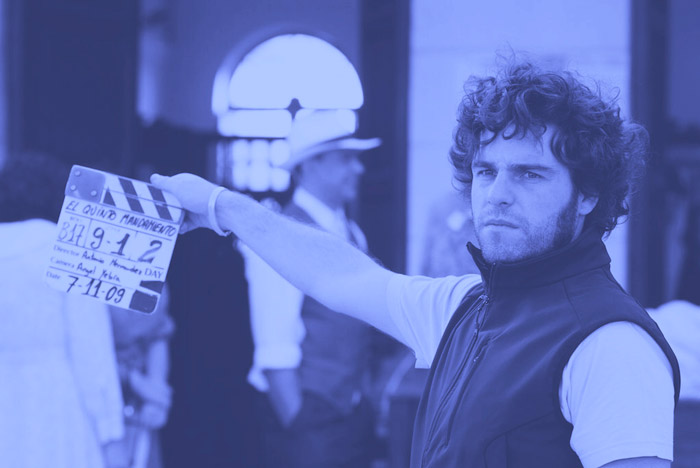
We invite you to watch this chat we had with Álvaro, whom we are lucky to have known for a few years. This is the link to his Youtube channel where you can learn about the cine lens ecosystem.
How we choose the aesthetics of your video
You can make two videos exactly the same, but just by changing the lens with which you shoot it, you can change the aesthetics of the video completely. The lens does matter.
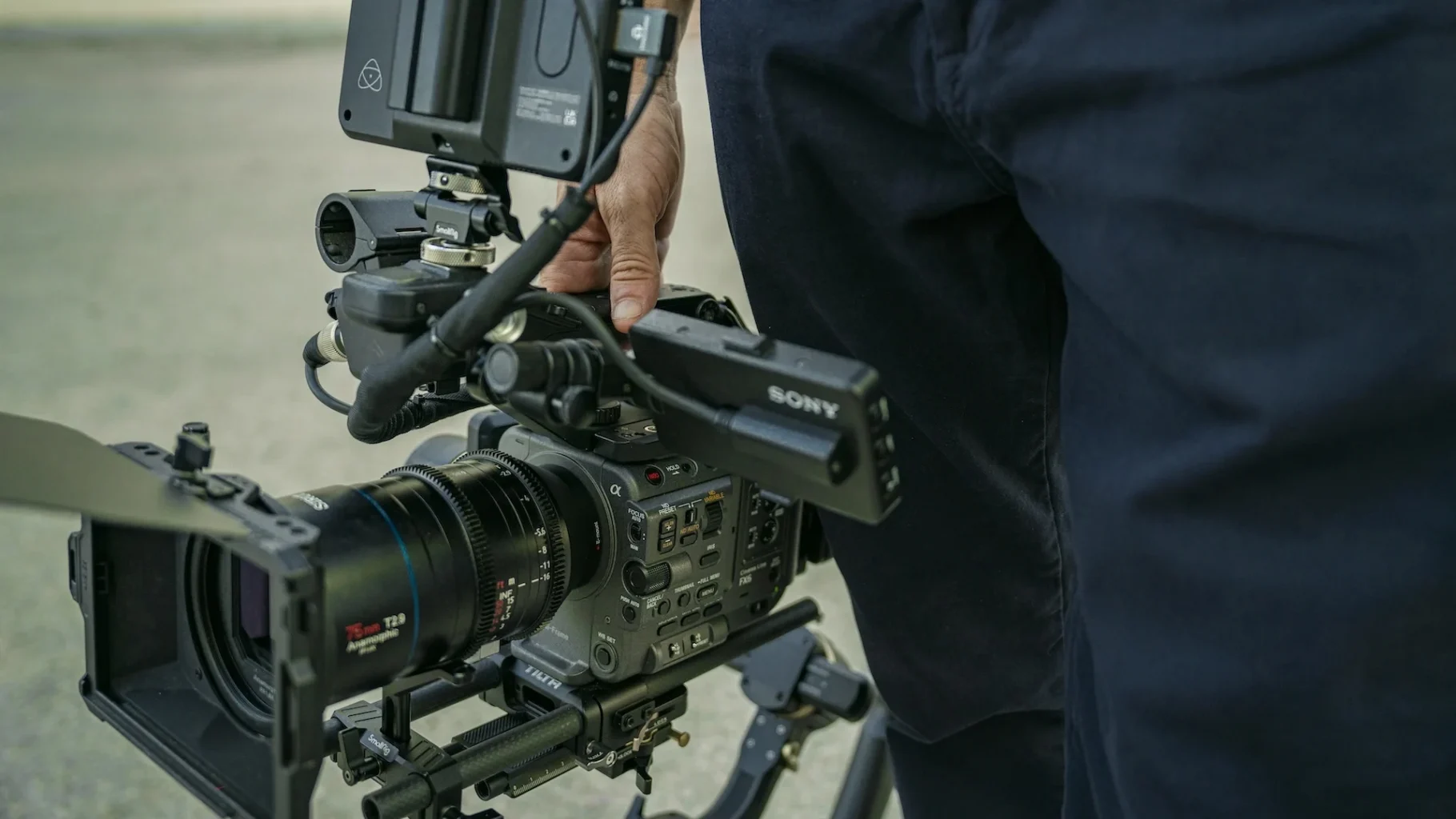
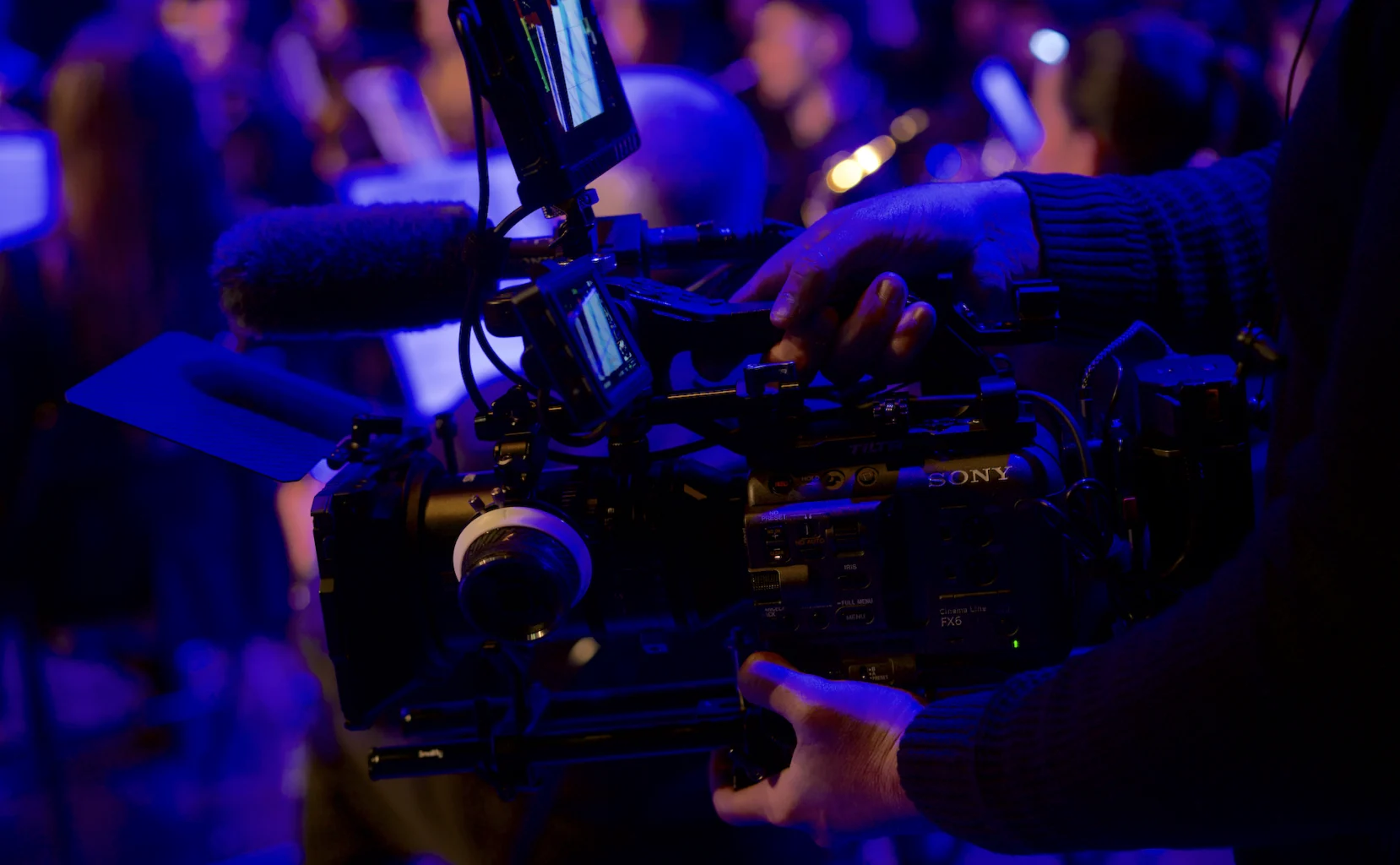
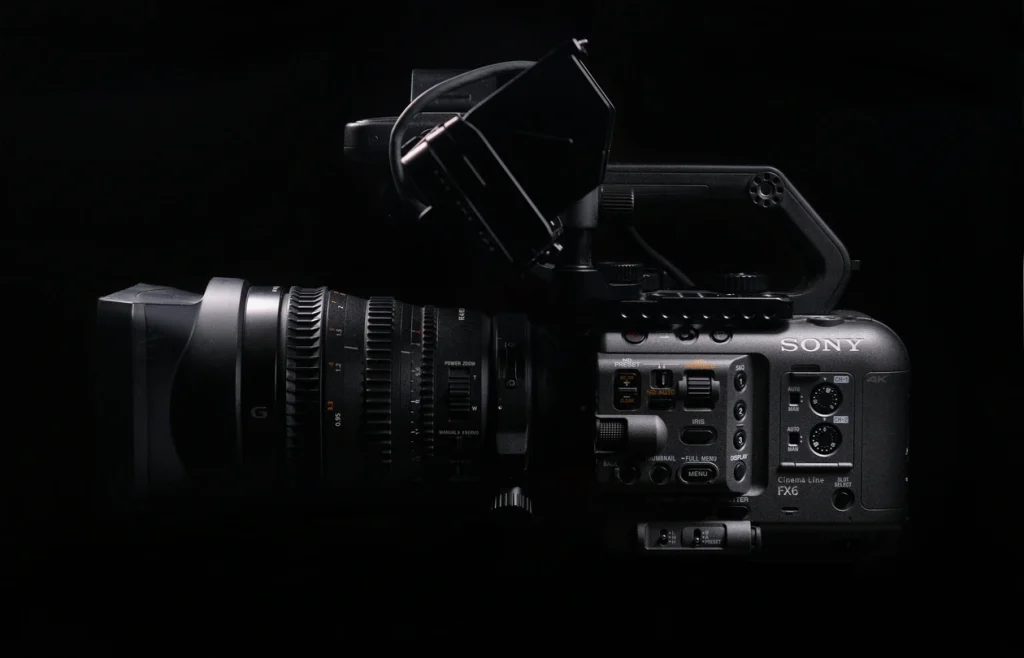
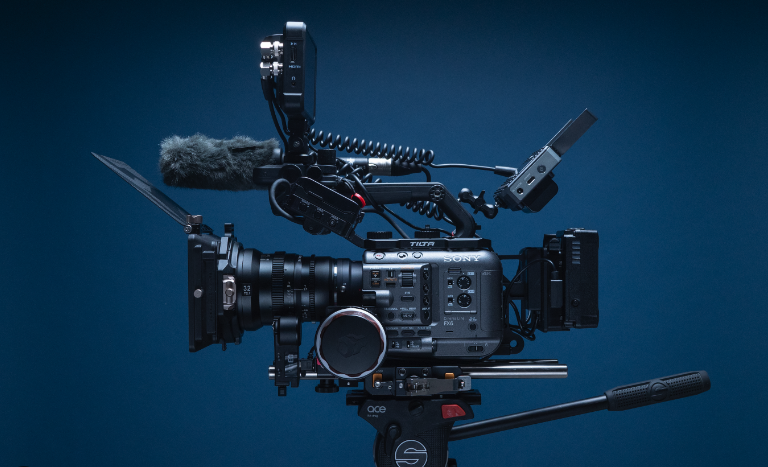
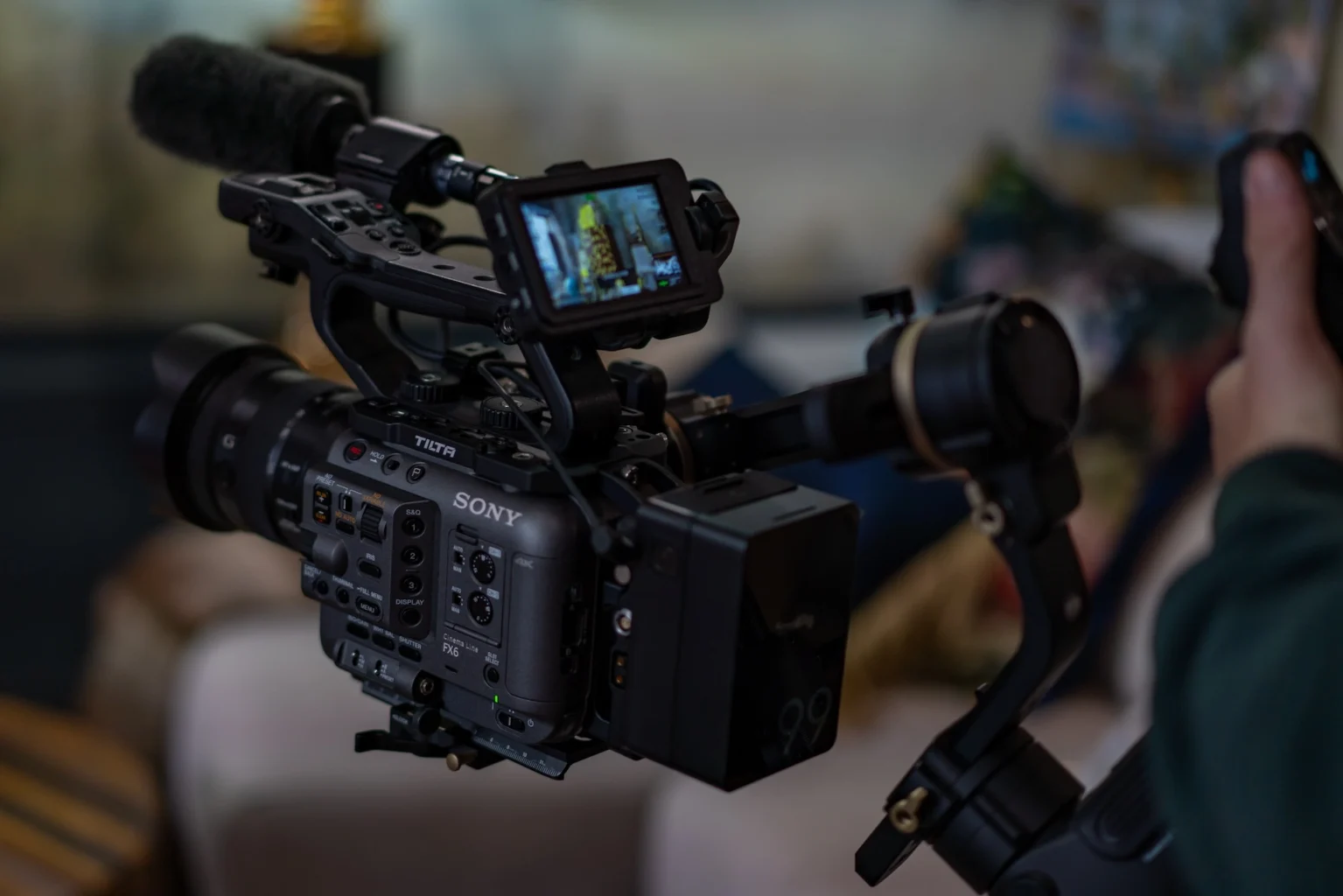
In El Claroscuro we have cameras that use interchangeable lenses. Because if the lens is fixed, there’s not much point in choosing it. There is no choice.
But if we have photo, video or film cameras with mount to be able to change the lens, then yes, let’s go with it. This is our case, this is the kind of equipment we have to realize your projects.
The importance of the aesthetics of your video
The aesthetics we bring to your video will determine how your images connect -or not- with your viewers and target audience. So it’s vitally important to choose that aesthetic well.
The final texture of the image
In reality, the lens we put on the camera is much more important than it may seem. Because in essence, the lens is “the eye” with which you see things. Yes, it is clear that you choose what the camera sees, but it is the lens that“decides” how the image will be seen in a high, very high percentage.
…it is the lens that“decides” how the image will look in a high percentage.
To begin with, the quality of the lens glass and its cutting will determine such important things as brightness, sharpness, color saturation and tone, image texture, geometric distortion or chromatic aberration. That is nothing. Obviously this quality is also directly linked to the materials and manufacturing processes of the lens in general.
And of course, the camera sensor and some settings such as color temperature or gain – and of course the camera electronics – also have something to contribute to the image. But let’s focus on the lens of the lens.
The most important thing in a target
But the most important, or the most important: the lens is responsible for the maximum amount of light that will enter the camera. And this factor is decisive in the final aesthetics of the video. Because many characteristics that influence the beauty and quality of the image depend on this “small” detail. Sharpness, image quality in terms of illumination levels or blur (depth of field) are some of the nuances that depend on the maximum level of light that a lens can reach.
Curiosity: The lens is also responsible for the minimum amount of light that reaches the camera sensor, which in normal conditions is zero, nothing, total darkness, vacuum…
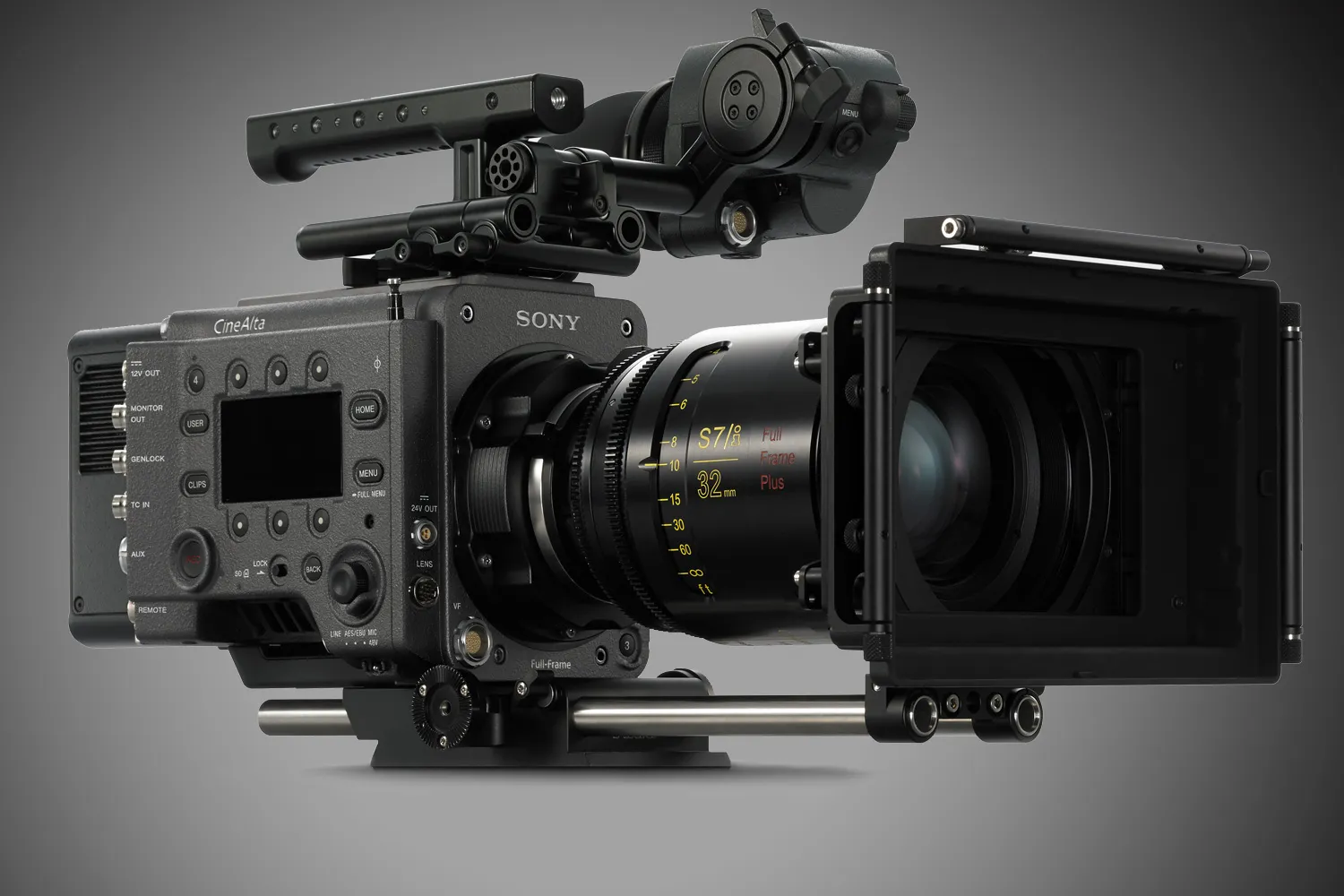
BY YOUR IMAGES THEY WILL KNOW YOU
The image we all want
It is common to see how many people look for the same image (either photo or video), i.e. an image with a shallow depth of field (most of the background of the image out of focus). That is; the sharpest possible image in the focused area, but with the most beautiful and aesthetic blur in the non-focused area (usually the background).
Maximum sharpness for the focused area, but the most beautiful blur in the out-of-focus area.
Because we must recognize that such an image brings beauty and aesthetics to the video and the image. But it is also true that sometimes this type of image is misused and tiresome. What we always say: “everything must be justified”.
But what is never going to be worth the same is if the image is not sharp, and does not have a beautiful blur.


Well, that’s not done by the camera, that’s done by the lens. It is a matter of the physics involved in the world of light and optics.
And so we chose the objectives
That’s why we are very careful when choosing the objective with which we are going to face a job. Because we choose the final look of the project, and to achieve it we have to put “on the table” everything that is necessary. Such as a specific camera, an image format, a special light, of course the lenses for the camera, the final edition, etc.
Although we will tiptoe around this issue, but in addition to all that has been said, the narrative value must be taken into account when choosing the target.
How we choose the aesthetics of your video
So when we choose the objectives with which we approach your projects, we consider absolutely all factors. Here are some of the most important ones:
- Amount of light at the recording location. Because the brightness of the lens, as you know, is critical. And arriving at a place with low light, and equipping a lens that is not very sensitive to light, is a bad combination.
- Dimensions of the spaces, since the distance of the camera with respect to the people, and these with respect to the background, is fundamental. It is interesting to know these data in advance if possible.
- The dimensions of the spaces also help us to know which target to install according to the sizes of the plans we are looking for. Trying to make very open plans in very very small spaces can be either complex, not advisable or impossible.
- The narrative. That is, if we are making a documentary or fiction, the final “look” will not be the same as if we are making a sports spot (for example). Therefore, the lens, depending on the case, has to provide us with a texture that helps the narrative. Yes, lenses imprint their “texture” on the image.
- An important factor is the speed of the autofocus (which also depends largely on the lens). So depending on the action, we will need lenses more or less sensitive to focus changes. This is as long as manual focus is not used, which is the normal and correct thing to do in fiction projects.

It is not necessary to have all the objectives under our belt
Although it was to be expected, it is not necessary that we have all possible targets in our stock, because it would be impossible and economically unwise.
What we should do is to have specialized and trustworthy sites where we can rent the specific lenses we need. We can have in our stock the most used ones, or the most versatile ones, but all the others, are rented punctually.
There are many sites for renting (and selling) photographic and cinematographic lenses. In our case, we are talking especially about cinema lenses. And well, one of the world’s largest (or the largest) database of cinema lenses is Spanish. And we know its CEO and founder Alvaro Solis.
The origin of a cinematic story
EL CLAROSCURO FILMS · Film Production Company registered with the ICAA · No. 01F60258
(Institute of Cinematography and Audiovisual Arts of the Ministry of Culture)